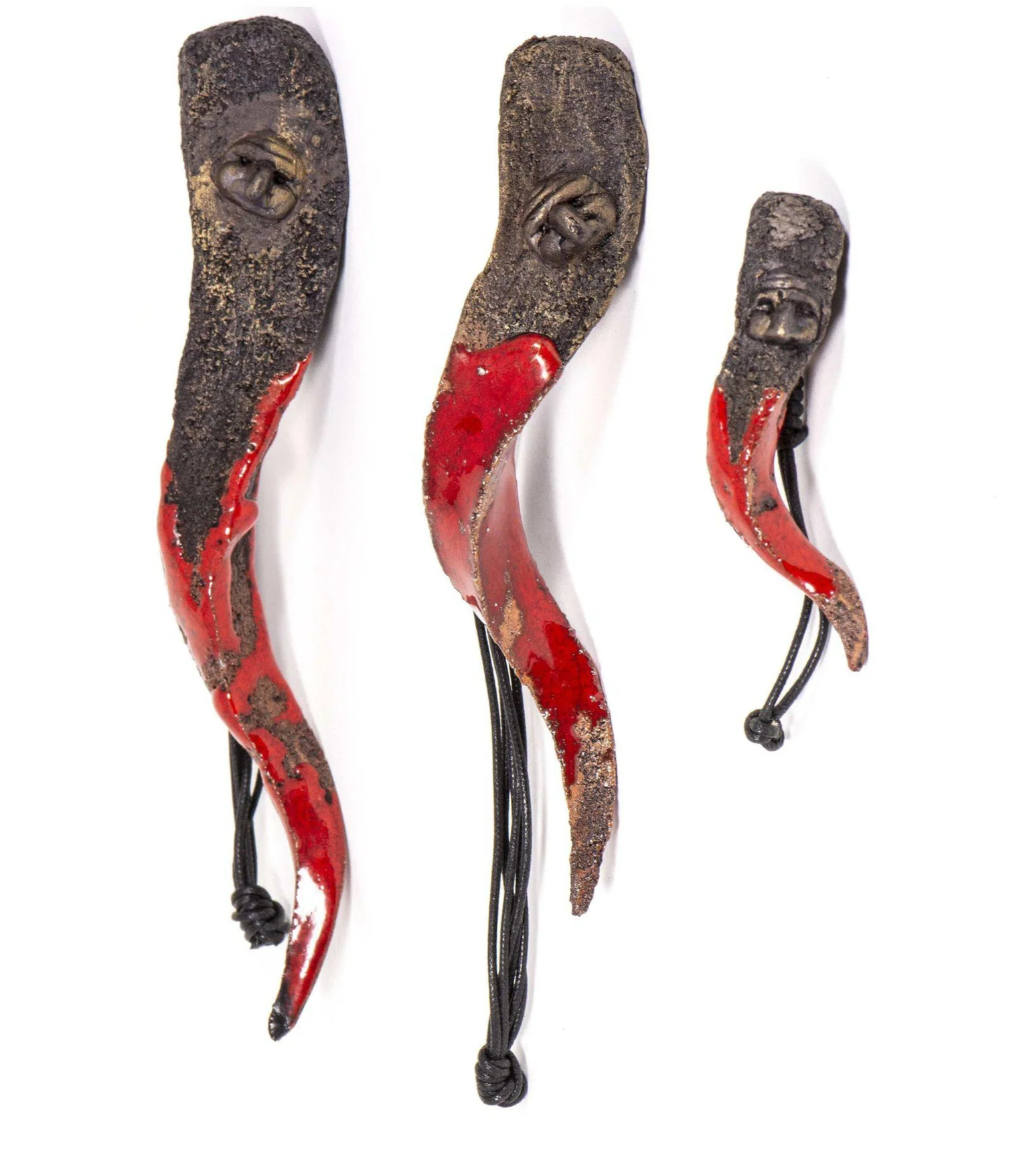
LUCKY DOOR!
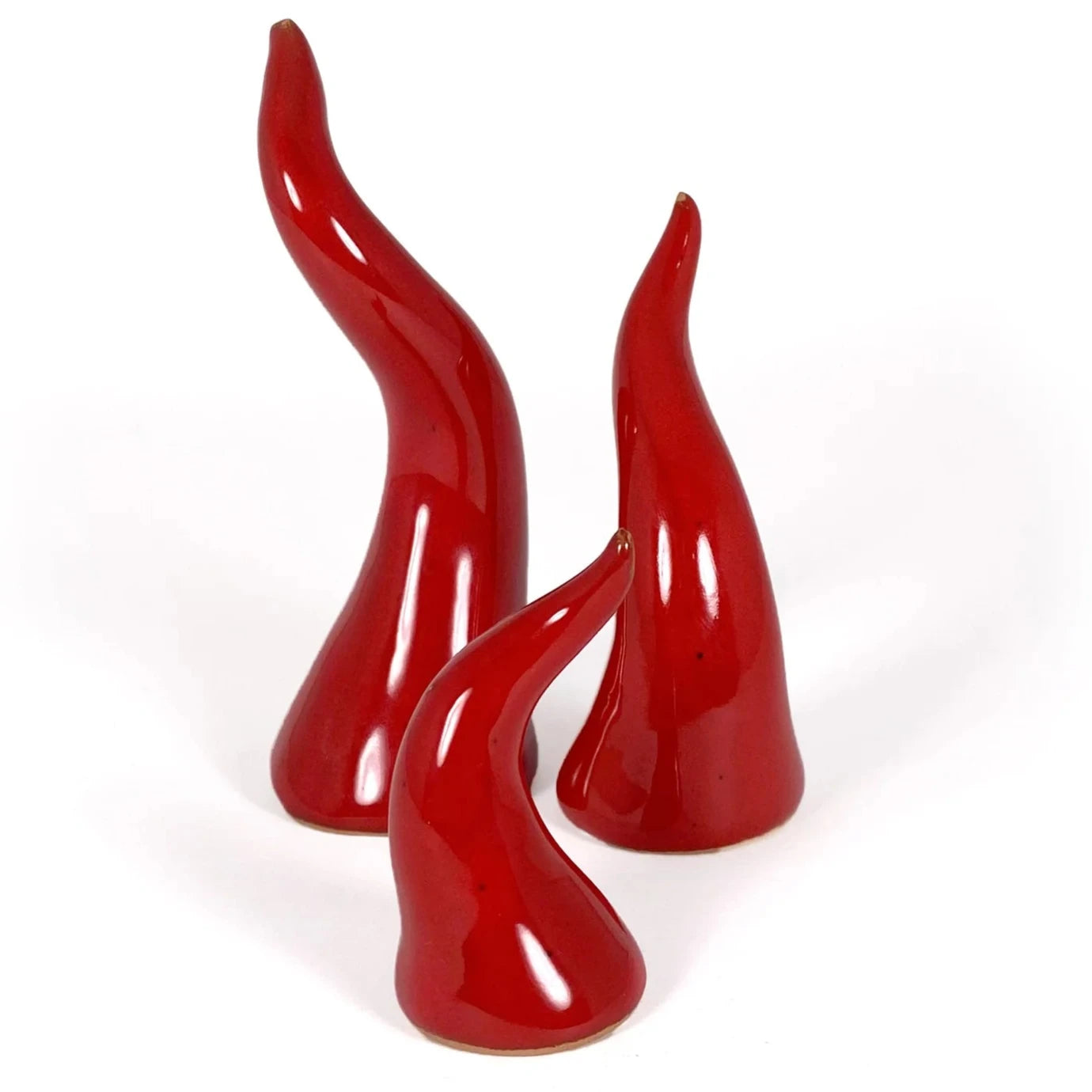
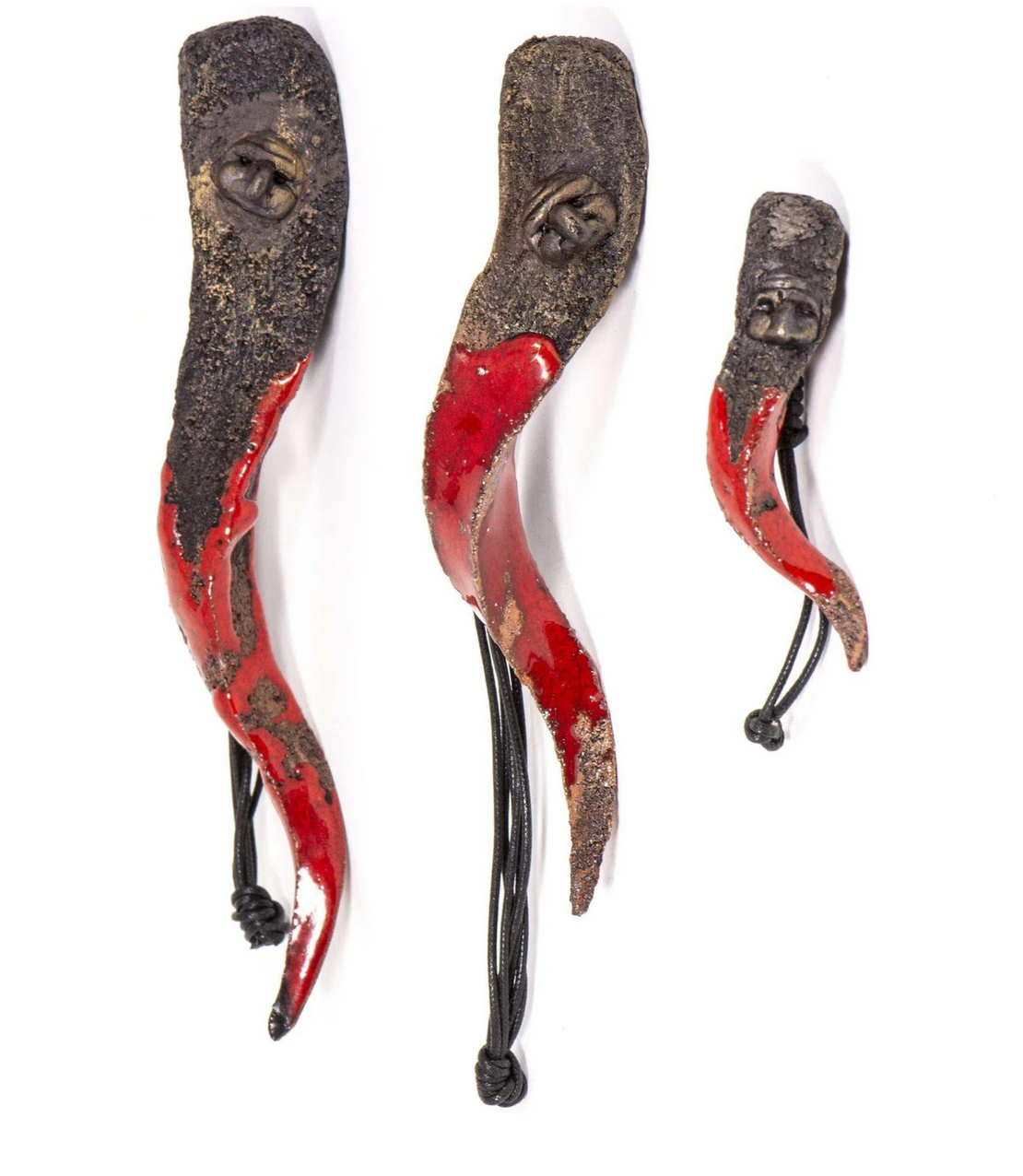
The meaning of the Horn
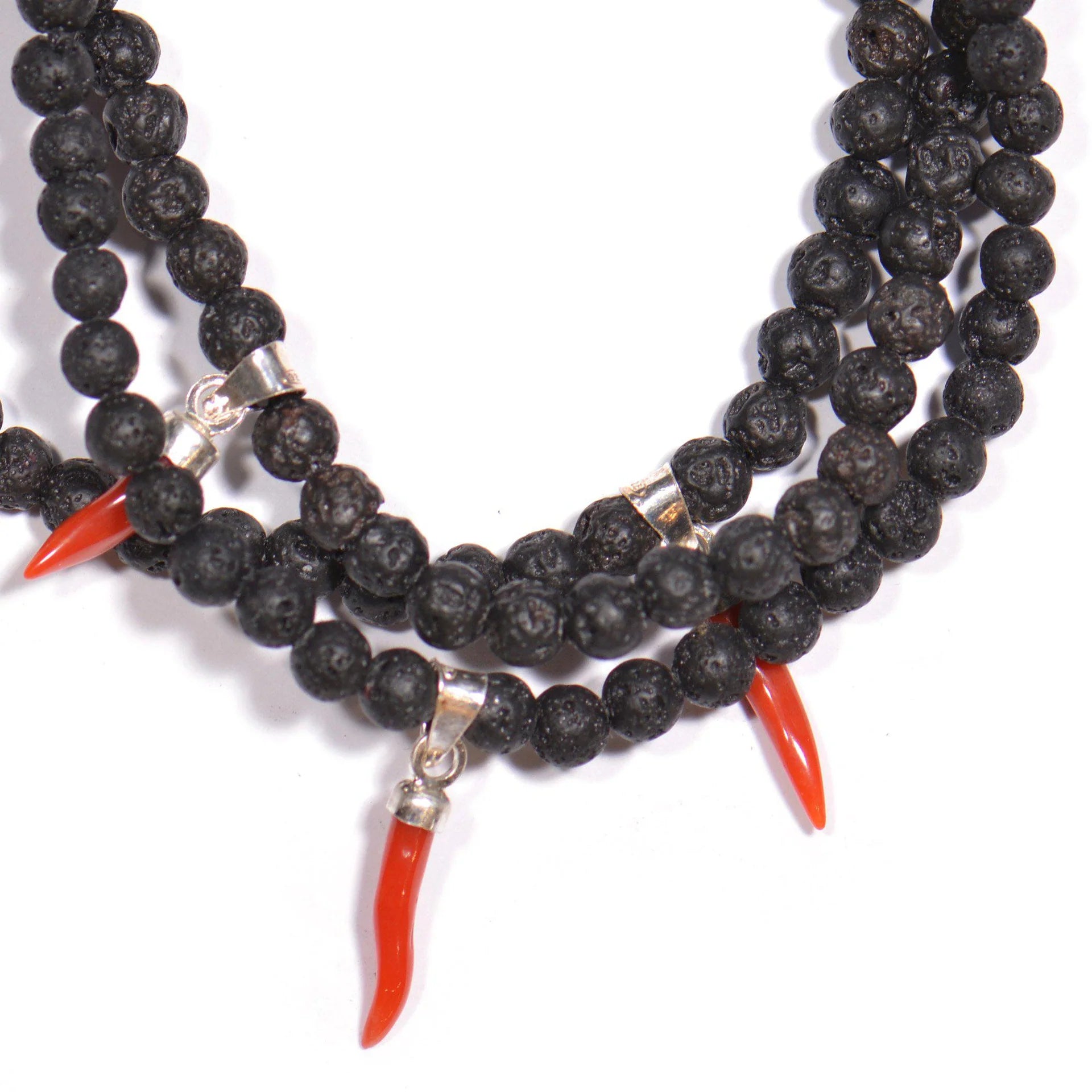
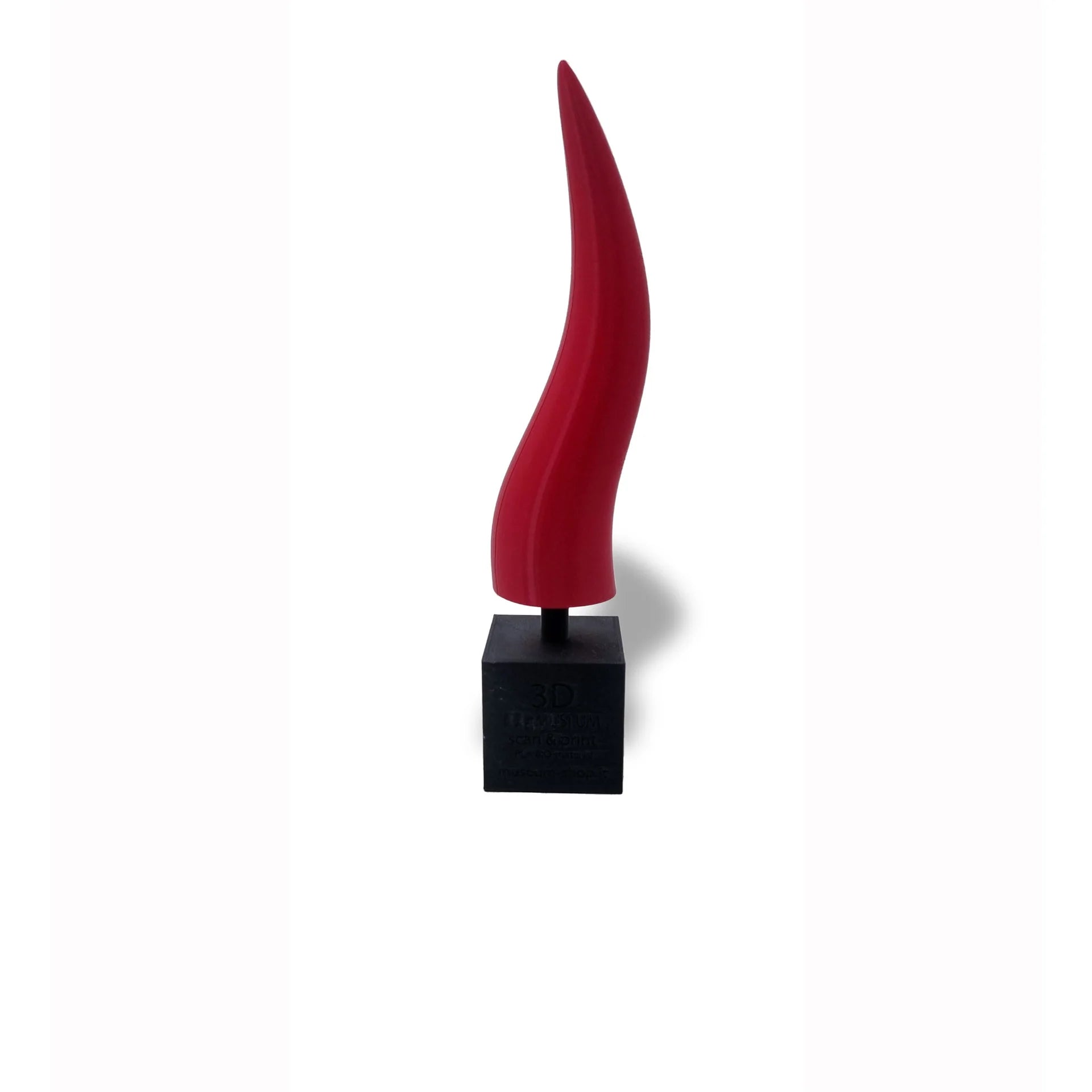
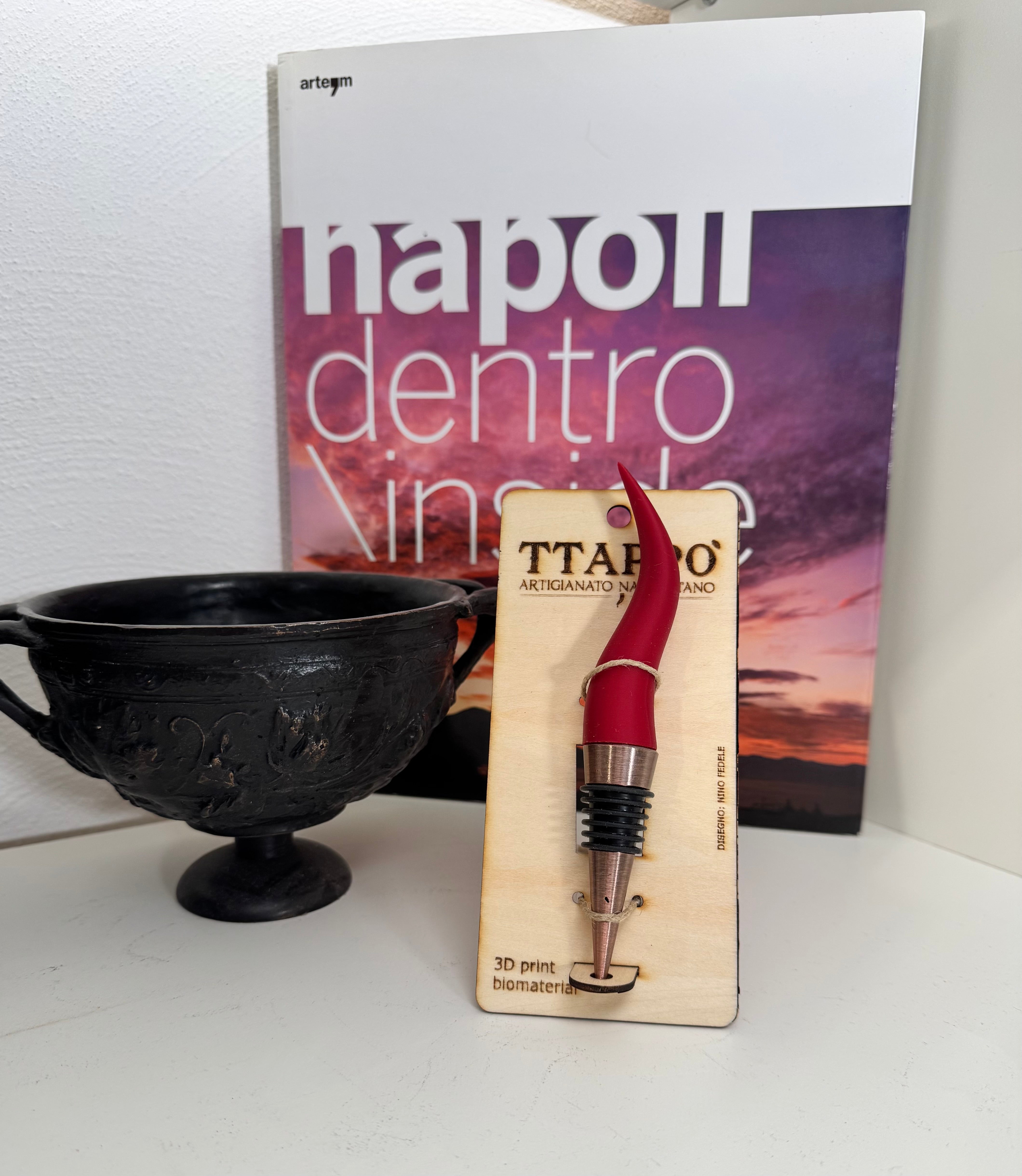
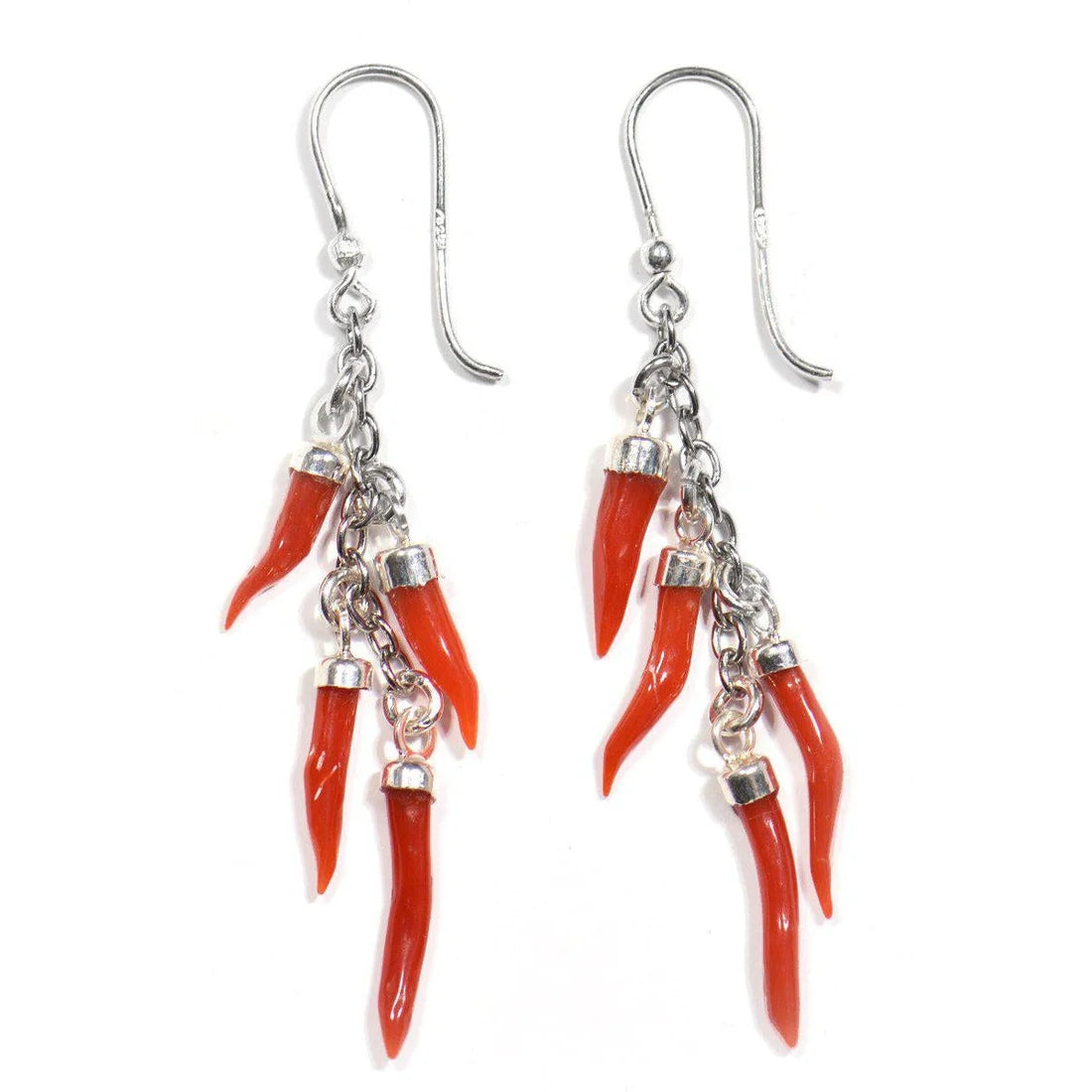
The horn is given and worn as an amulet for protection against bad luck and the evil eye, meaning envy, jealousy, and malice. It is very common both in the homes of Neapolitans and in shops and restaurants.
An iconic symbol of the Neapolitan tradition, it has ancient roots, when it represented fertility and protection against adversity. Its shape resembles the horns of an animal, a symbol of strength and vitality, while the red color evokes positive energy and the ability to ward off the evil eye.
Belief holds that if the horn breaks, it means it has neutralized the evil eye or bad luck, in other words, it has worked.
5 IMPORTANT RULES
1) Upon receiving the horn, hold it for a few seconds between your index finger and thumb while thinking of the person to whom the gift is intended.
2) Never buy a horn for yourself but have it given as a gift.
3) The horn must be worn tied to something.
4) Touching the horn means giving it energy, so do it at least twice a day.
5) The horn is strictly personal.
From the Fall to the Horn
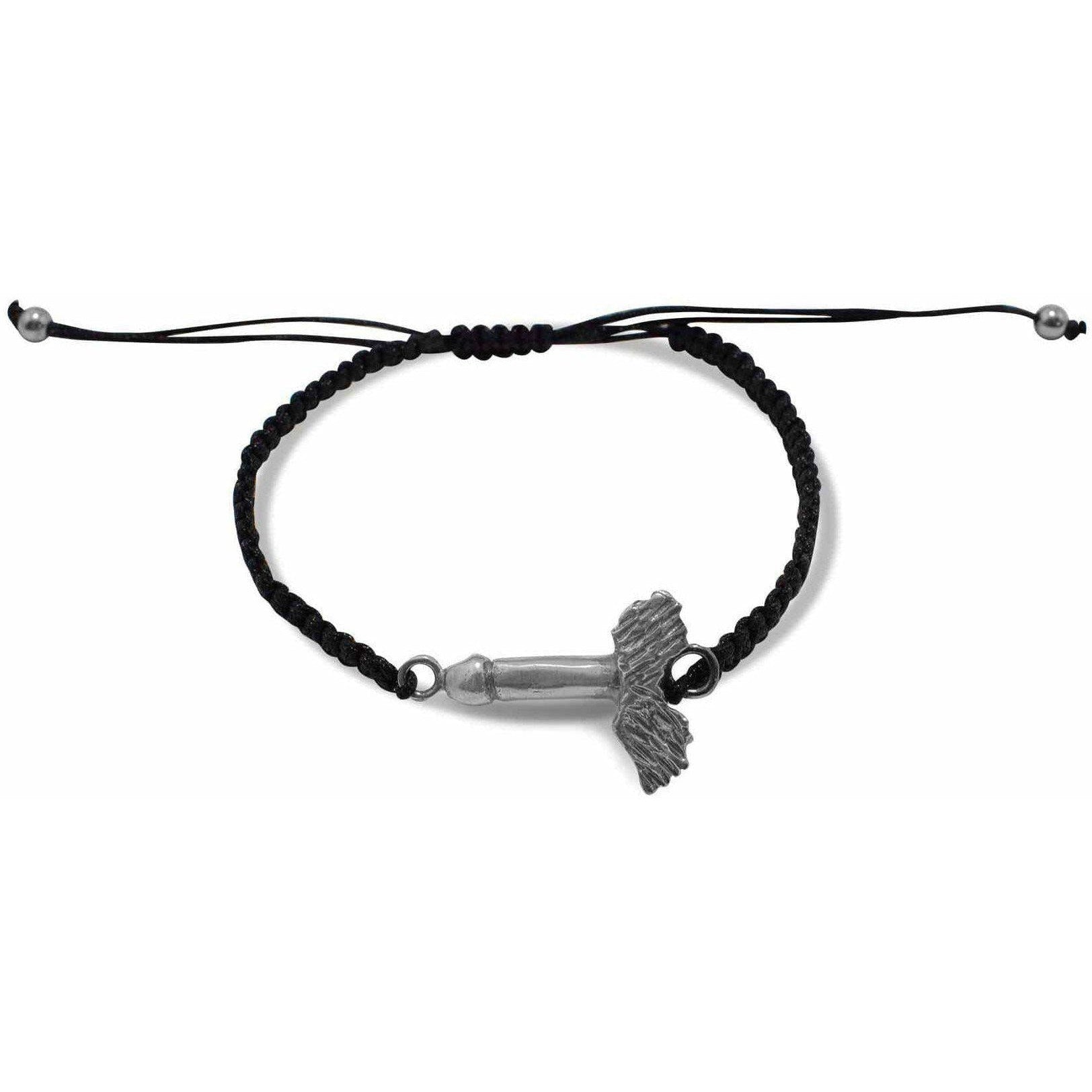
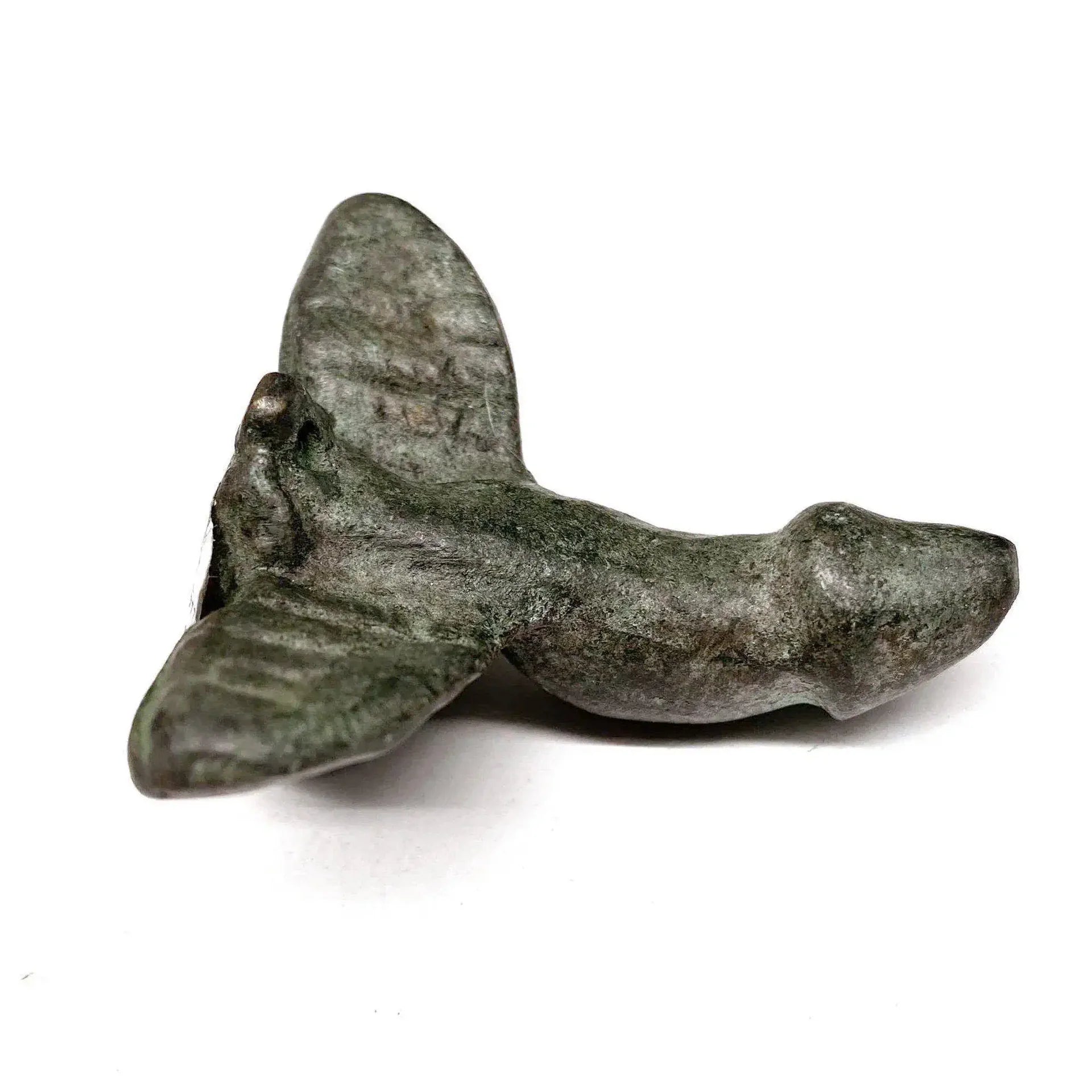
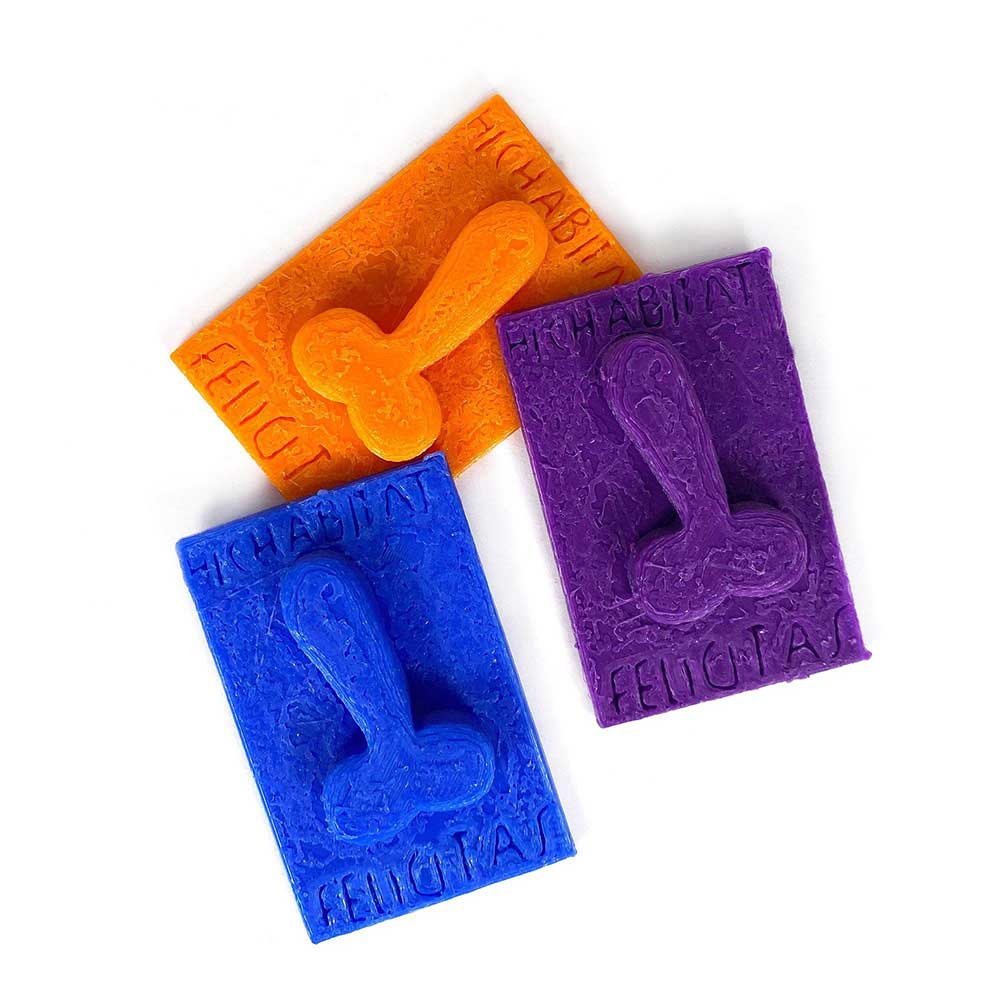
In Southern Italy, and particularly in Naples, the horn has replaced the Phallus as a good luck amulet. The Catholic religion and common morality have led to the disappearance of the Phallus as a pagan symbol and lucky charm, and its replacement with the horn. Just as in ancient times farmers placed a large Phallus, symbol of the god Priapus, to protect their fields, even today large horns are indispensable in modern farms of Southern Italy.
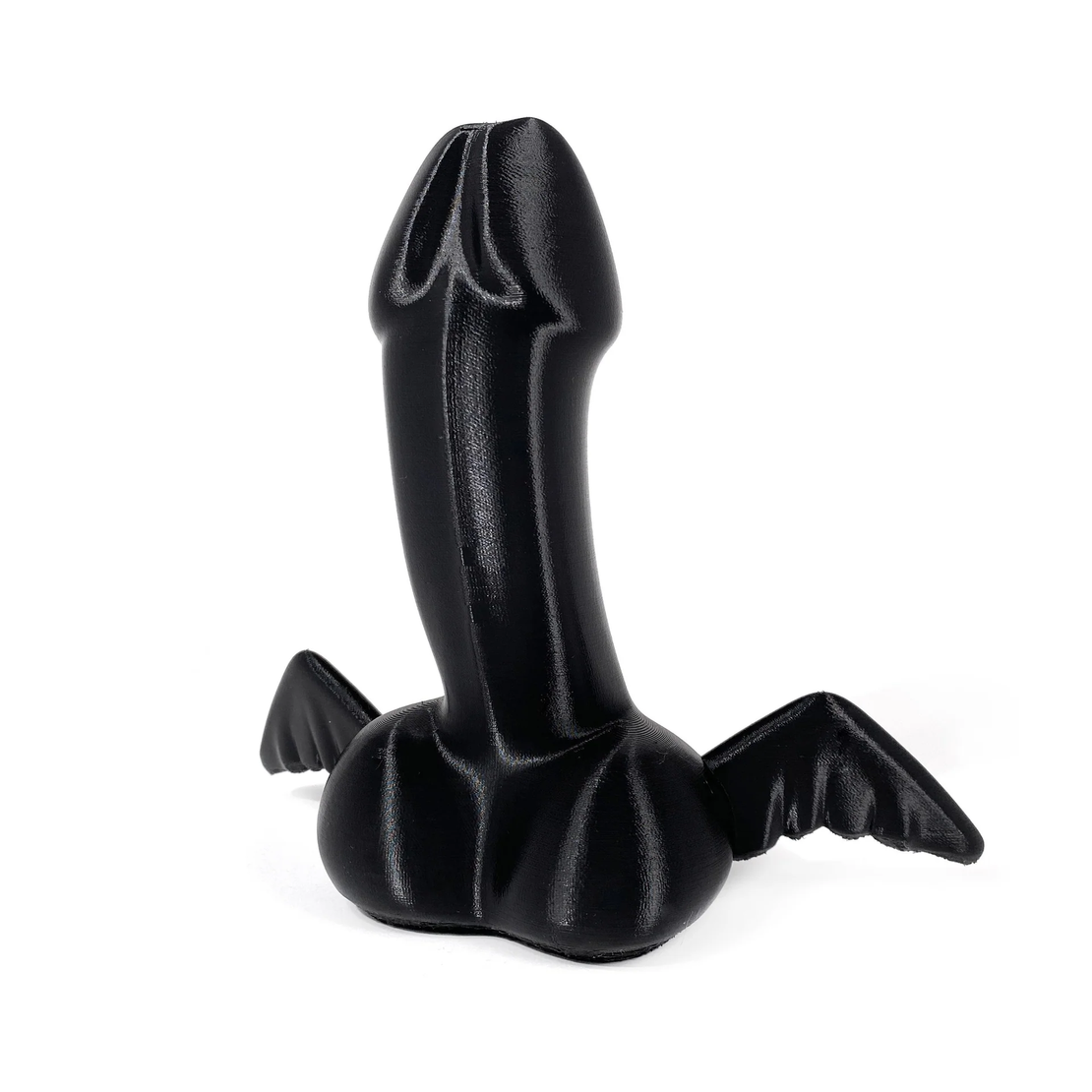
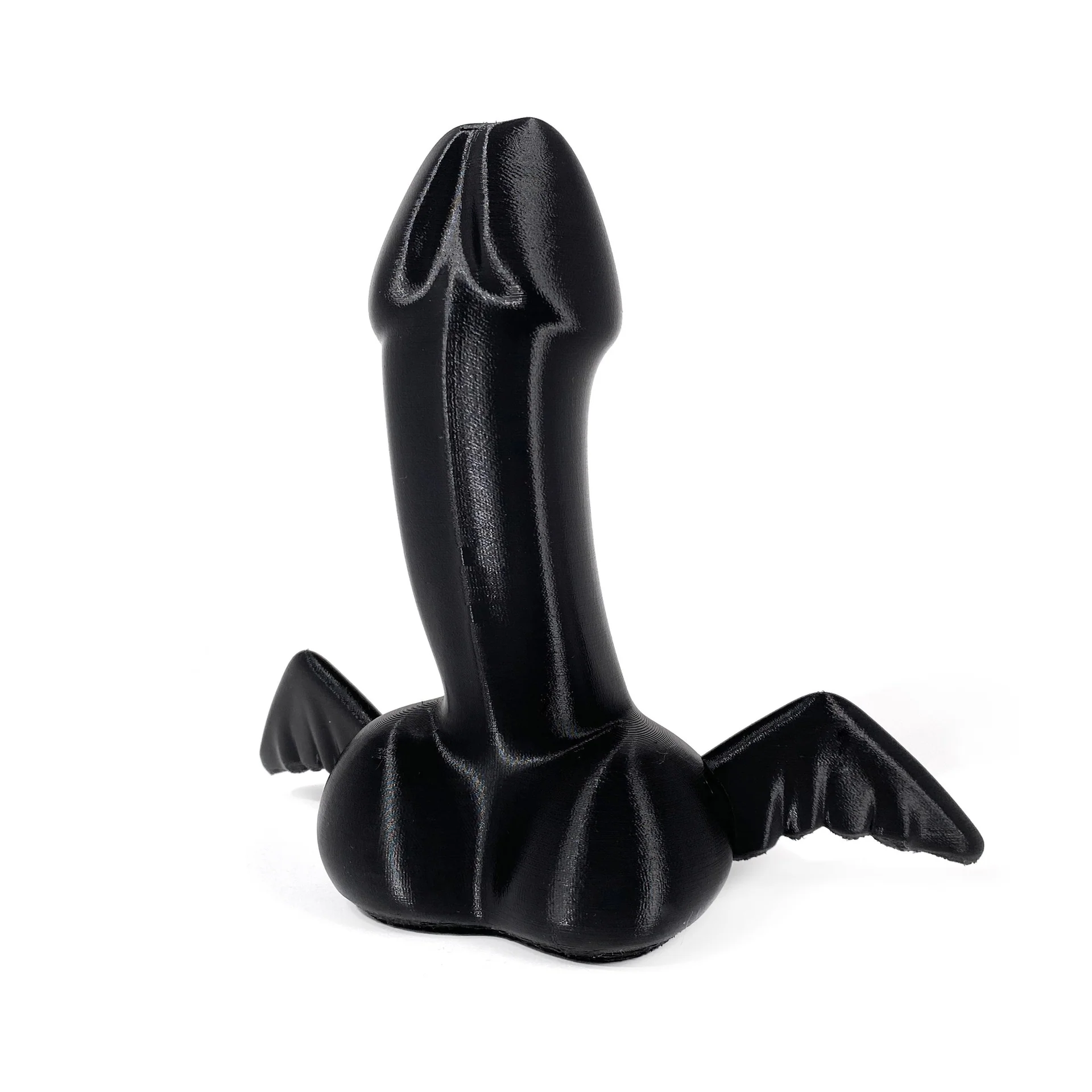
THE WINGED FALL
To invoke all its magical power, the winged Phallus must be reproduced, immense, enormous, propitiatory, capable of warding off evil spirits, capable of giving protection to the home and workplaces, a force of nature against evil, scourging demons, and the fascinum: the negative power of the evil eye.